
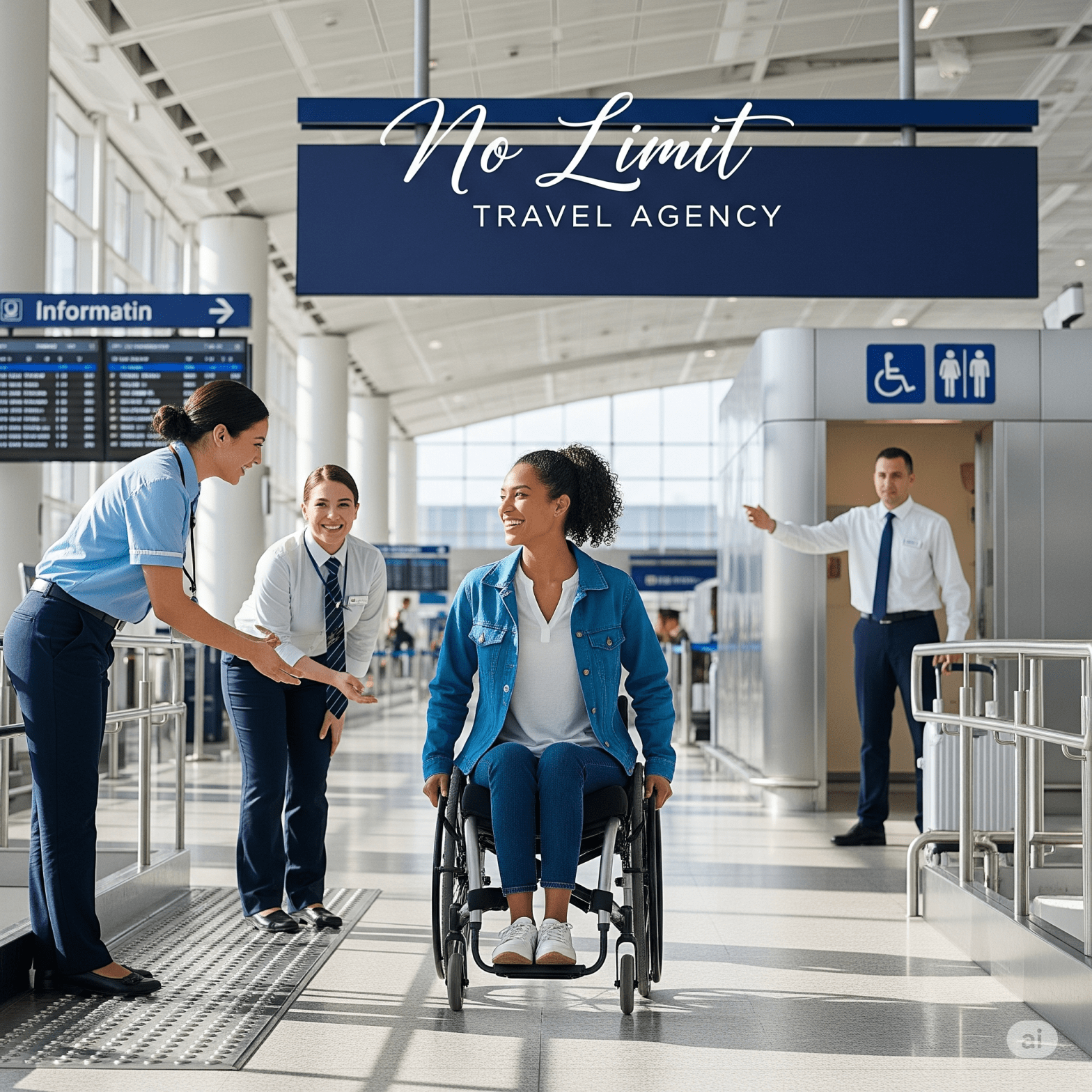
Accessible Travel: A Real-World Guide for Disabled Adventurers
Traveling with a disability isn’t just about getting from point A to point B. It’s about navigating a world that too often feels built for everyone else. Every curb without a ramp, every “accessible” hotel that’s only accessible in name, every airport that sees your wheelchair as cargo—these are the daily realities disabled travelers know too well. But here’s the thing: while the frustrations are real, the opportunities and joys of accessible travel are growing every year.
If you’re dreaming of your next adventure, or even just a weekend away, here’s the real deal on what it’s like, which modes of travel work best, the destinations that welcome you, and the tips that can turn a stressful trip into a memory for all the right reasons.
1. The Realities: Traveling While Disabled in an Able-Bodied World
Let’s just say it: most travel experiences are designed with the non-disabled in mind. As a disabled traveler, you’re constantly adapting—from inaccessible transportation to hotels that promise ADA rooms but deliver only half-measures. Even basic things like booking a ticket or finding clear accessibility information can turn into hours of phone calls and emails. And too often, you’re the only wheelchair user or mobility-impaired person in the room, which can feel isolating.
But the landscape is changing. There’s a growing movement, led by disabled travelers sharing experiences and demanding better (see reflections from a wheelchair user who took more than 100 flights last year: WheelchairTravel.org). Advocacy, better laws, and a new generation of travel companies are making it possible to see more of the world than ever before.
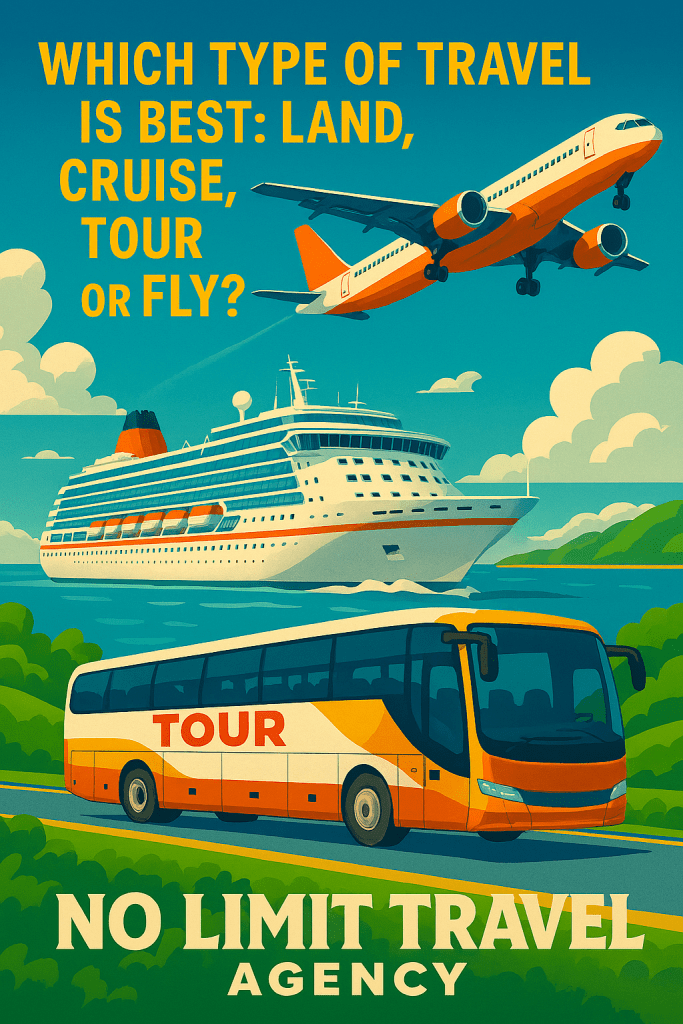
2. Which Type of Travel is Best: Land, Cruise, Tour, or Fly?
- Land Travel (Car, Train, Bus): Land-based trips can offer the most control—especially if you use your own adapted vehicle. Trains in the US and Europe are increasingly accessible, but buses can be hit or miss.
- Cruises: Cruises are often the most accessible travel mode. Modern ships have accessible staterooms, ramps, and adapted excursions. You can unpack once and see multiple places, making them a strong choice for many mobility needs.
- Tours: Group tours can be great, but you must vet them thoroughly. Some companies specialize in accessible tours, offering adapted transportation and accommodations.
- Flying: Flying gets you farthest, fastest, but it can be the most stressful. Airlines are required to help with boarding, deplaning, and stowing mobility aids (US Department of Transportation). Yet, stories of broken wheelchairs or inadequate support are common. Booking with airlines known for disability-friendliness—like Delta or Southwest—can make a big difference (Aran Grant).
Bottom line: Cruises and trains tend to be the least stressful, but with planning, any type of travel is possible.
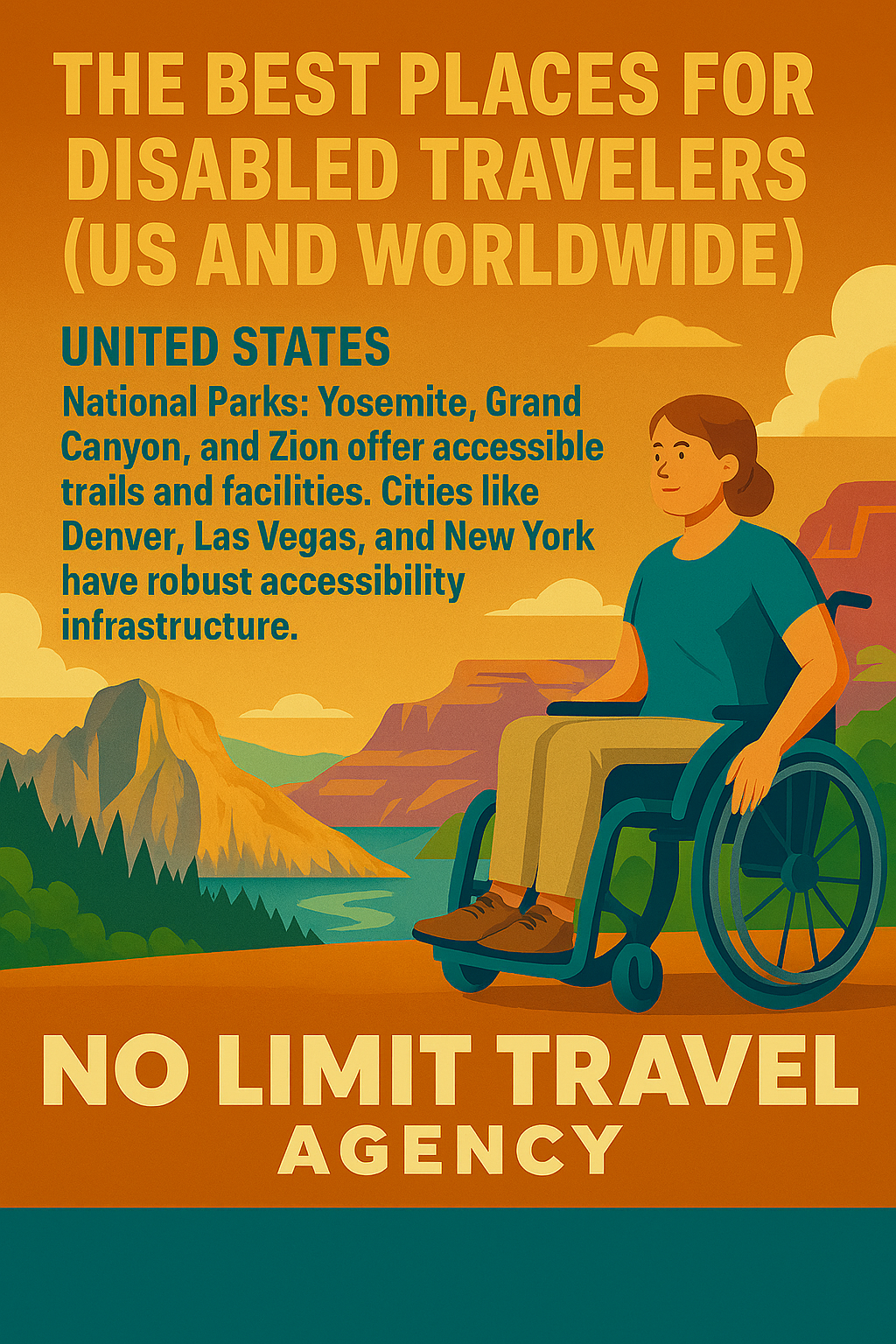
3. The Best Places for Disabled Travelers (US and Worldwide)
- United States: National Parks like Yosemite, Grand Canyon, and Zion offer accessible trails and facilities (Wonders Within Reach). Cities like Denver, Las Vegas, and New York have robust accessibility infrastructure (Seven Corners).
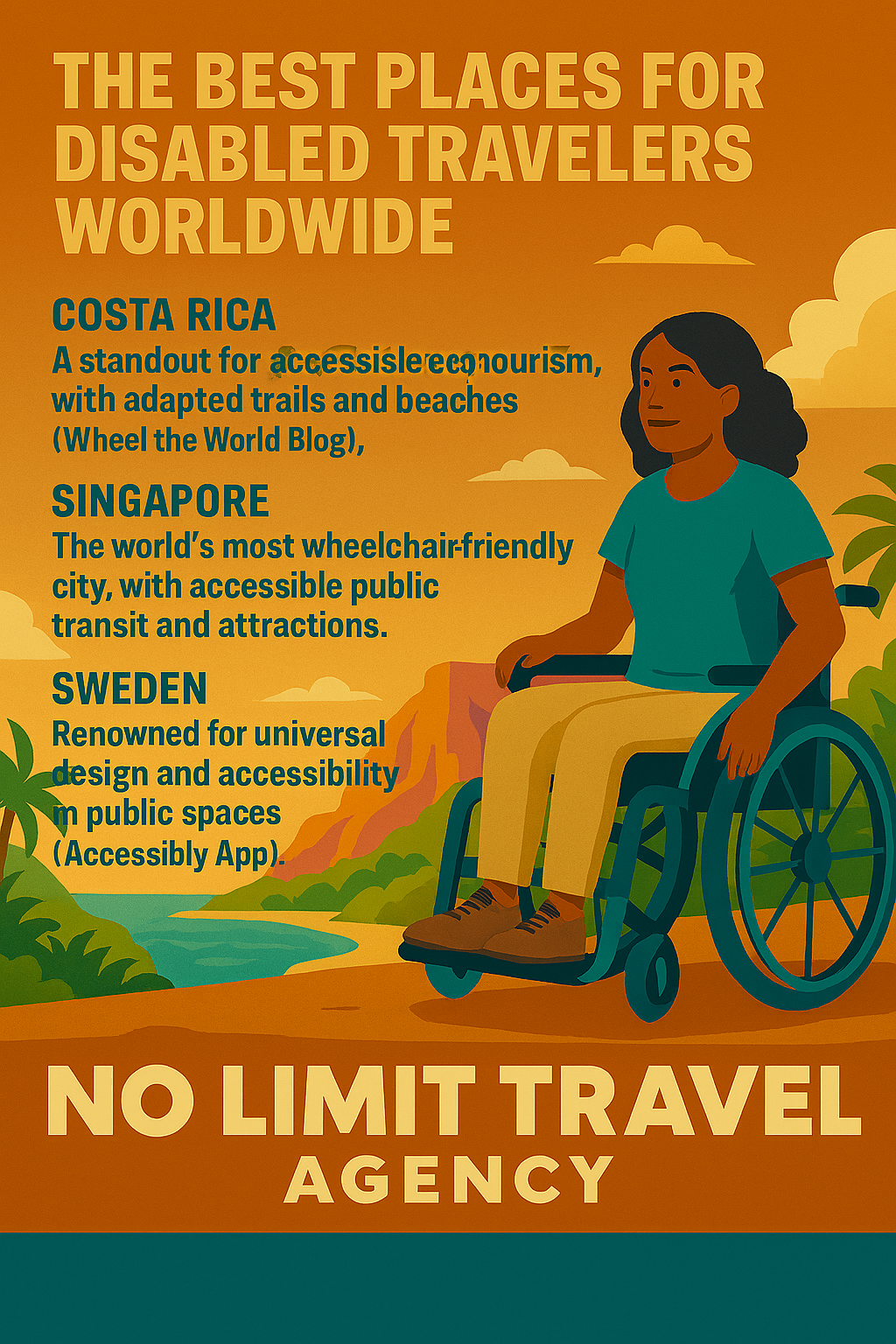
- Worldwide:
- Costa Rica: A standout for accessible ecotourism, with adapted trails and beaches (Wheel the World Blog).
- Singapore: The world’s most wheelchair-friendly city, with accessible public transit and attractions.
- Sweden: Renowned for universal design and accessibility in public spaces (Accessibly App).
- Banff and Jasper (Canada): Breathtaking scenery with accessible trails and accommodations.
4. Travel Tips for Disabled People
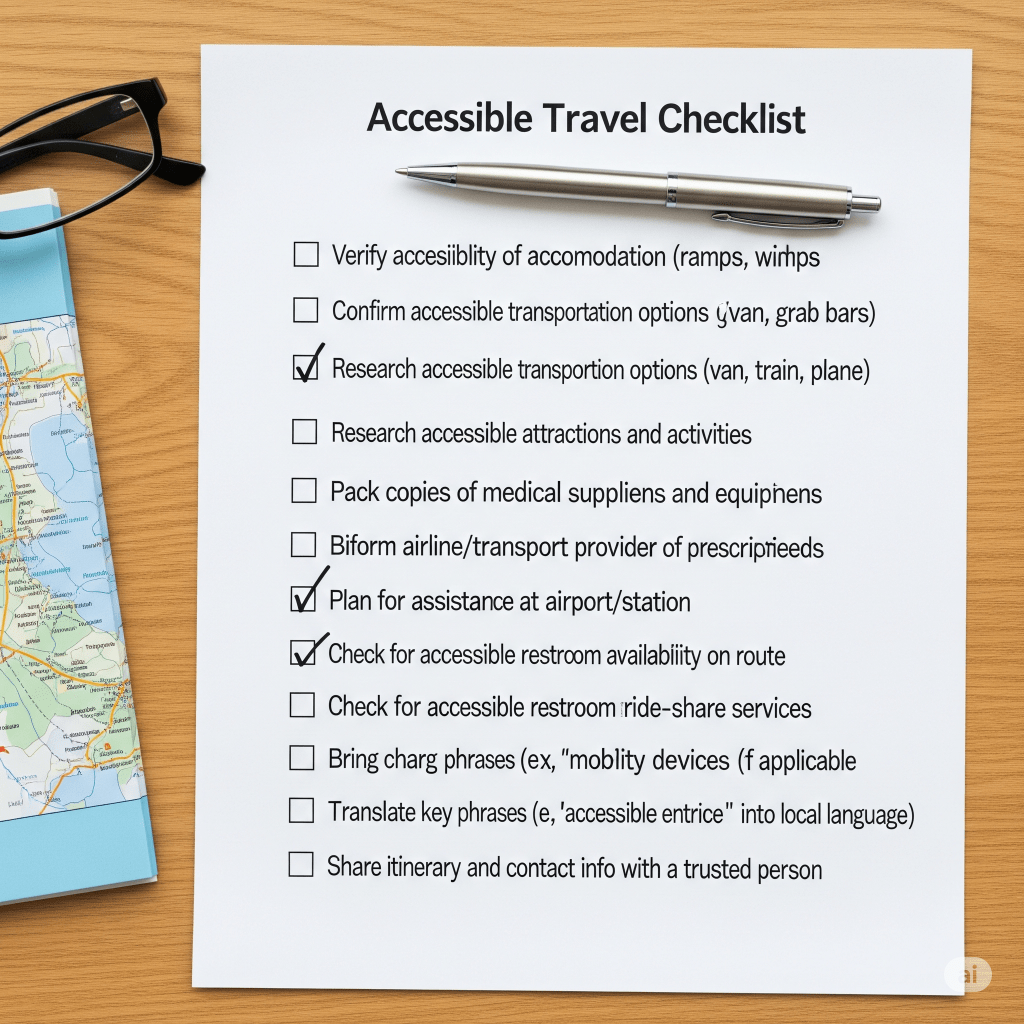
- Plan Ahead: Research accessibility for transportation, hotels, and attractions. Call ahead—don’t rely on websites alone.
- Book Early: The best accessible rooms and seats go fast. Early booking lets you request specific accommodations (MIUSA).
- Travel Insurance: Get a plan that covers medical needs, equipment loss, and cancellations.
- Know Your Rights: In the US, airlines must accommodate you, but policies differ abroad. Learn local laws before you go (Travel.State.Gov).
- Service Animals: Know the rules for bringing service animals, which can change by airline and country (Disability Info).
- Use Travel Apps: Apps like Wheel the World and AccessNow help you find accessible hotels and attractions (ADASoutheast).
- Bring Documentation:Carry proof of disability if needed, and use TSA’s Notification Card for smoother airport security (Flying Angels).
5. Why Booking Early Matters
Accessible rooms and adapted transportation are limited—sometimes there’s only one per hotel or vehicle. Booking early gives you the best shot at securing what you need (MIUSA). You’ll also have more time to work through the details, make special requests, and troubleshoot.

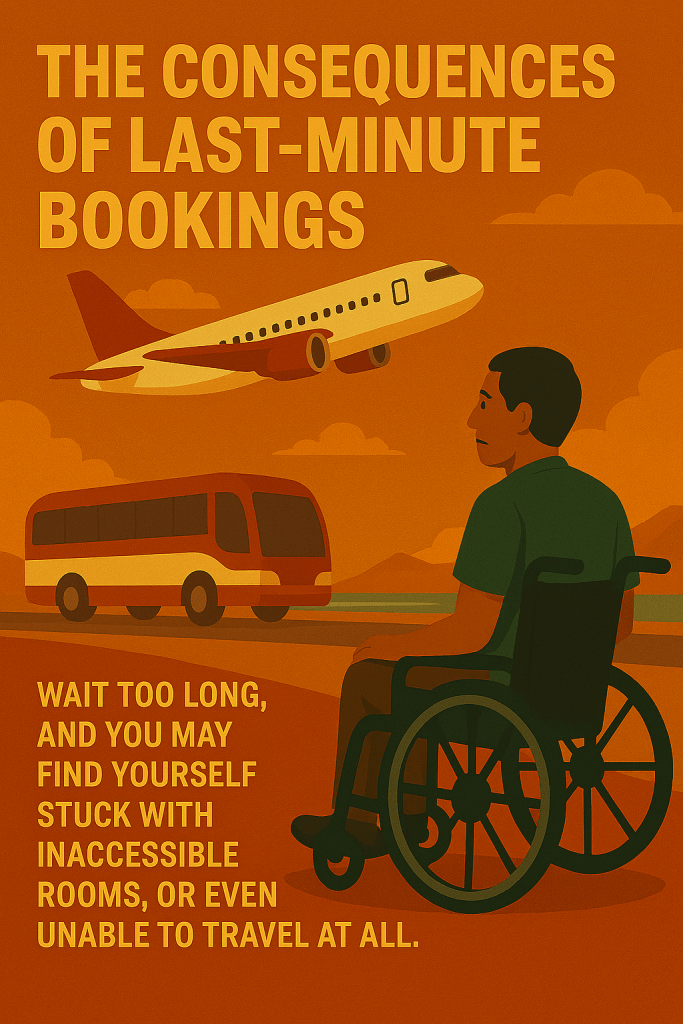
6. The Consequences of Last-Minute Bookings
Wait too long, and you may find yourself stuck with inaccessible rooms or even unable to travel at all. Last-minute bookings rarely leave time to arrange for special equipment or support. Transportation and hotels may say, “We’re full,” or simply can’t accommodate on short notice (Sage Traveling).
7. Frustrations Disabled Travelers Face
- Broken or lost mobility equipment
- Inaccessible transportation or lodging
- Lack of clear information
- Digital inaccessibility when booking
- Fatigue from constantly advocating for your needs
- Feeling like you have to “prove” your disability
It can feel like you’re always on alert, ready to fight for every inch of access (Sage Traveling, Reddit).
8. Traveling Solo With a Disability
Solo travel as a disabled person is possible—and empowering—but it requires extra planning:
- Set realistic itineraries; don’t overload your days.
- Cluster activities to minimize transit.
- Arrange for airport and hotel assistance in advance.
- Carry emergency contacts and a backup plan for equipment failures.
- Join online communities to ask questions and get tips from others who’ve done it (TripAdvisor, Able Amsterdam).
9. You Are Not Alone—There Is Help
This is the most important thing: you’re not on your own. There’s a growing world of accessible travel resources, specialized travel agencies, supportive apps, and a global community of disabled travelers changing the game. Whether you need a travel companion, specialized transportation, or just someone who “gets it,” help is out there (Wheel the World, UCP). Your journey doesn’t have to look like everyone else’s—and that’s a beautiful thing.
A Personal Note
As a travel professional, an advocate, and a person with mobility issues, I’ve seen firsthand the frustrations, surprises, and triumphs disabled travelers experience. I’ve also seen the community’s strength and ingenuity. If you’re hesitant, know this: every journey you take chips away at the barriers for those who come after you. The world is opening up, little by little, and your voice and presence matter.
If you want help planning your next accessible adventure, I’m always here to help—with experience, empathy, and a belief that travel truly is for everyone.
Contact Me—No Limit Travel Agency
Business phone: 510.948.8282
Cell phone: 510.907.0738
Email: nolimittravelagency2020@gmail.com
Visual Note from No Limit Travel Agency
These illustrations were created using Microsoft Copilot and Gemini AI, an AI-powered design assistant. They’re intended to highlight key travel planning insights—especially around accessibility—and do not depict real individuals or events. Please use them for educational and promotional purposes only.
 No Limit Travel Agency