
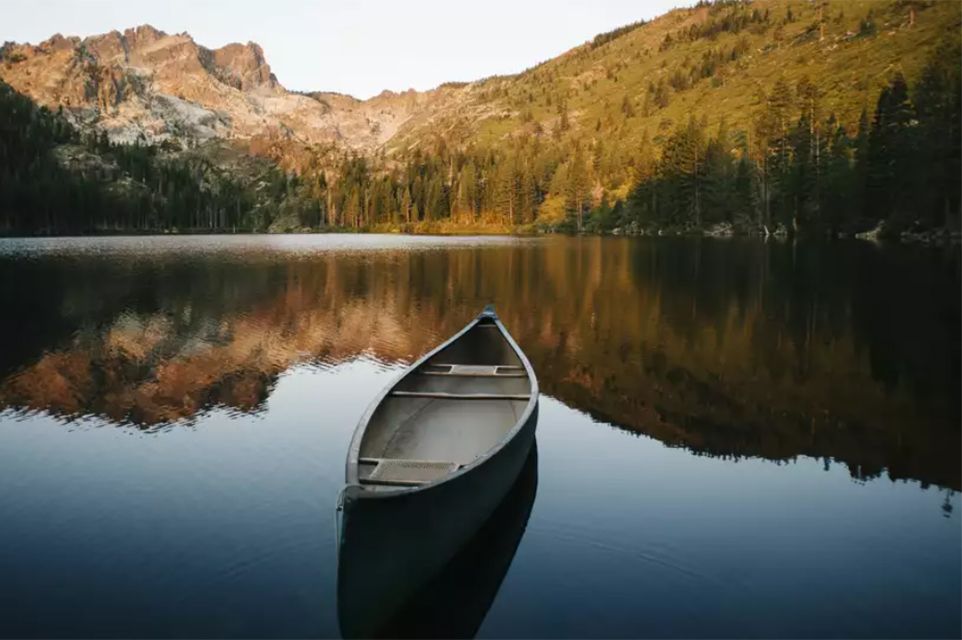
It’s not just you; the most popular tourist destinations on Earth are packed tighter than before. Venturing outside the well-known locations is an excellent method of distributing your funds to regions of the world where the locals are in dire need of them. Look for locations where there aren’t many tourists since your visit could have a significant impact on people’s lives by generating possibilities and incomes that could strengthen entire communities. Take inspiration from these well-chosen locations and venture off the usual route.
Waterton Lakes National Park, Canada
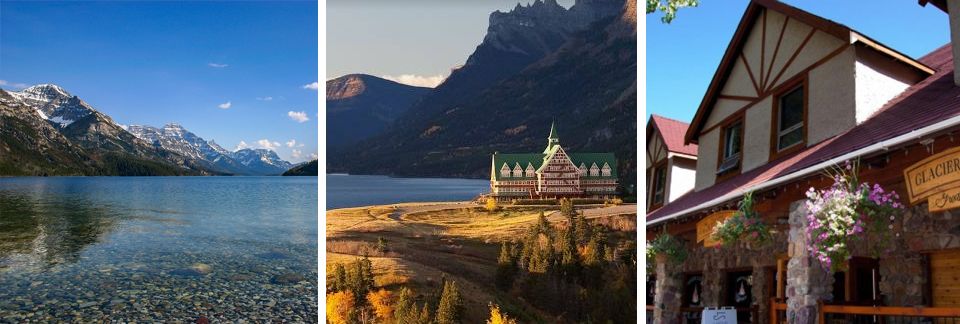
Move over Banff and Glacier National Park — this Rocky Mountain bolthole has it all
Nestled between the popular national parks of Glacier in the US and Banff in Canada, Waterton Lakes is nestled in the Rocky Mountains and receives less attention from the public than its more famous neighbors. Nonetheless, this breathtaking region of the Rockies has a reputation across the globe. One of the earliest national parks in history, it was opened in 1895 and has subsequently been designated as a Biosphere Reserve and World Heritage Site by Unesco. To further enhance its singularity, Waterton was combined with Glacier in 1932 to create the United States’ first International Peace Park, signifying the long-standing alliance between the two nations.
In many respects, Waterton is a miniature version of the larger Rocky Mountain parks to the north, with its charming little town and elegant heritage hotel nestled among sculpted mountains and a lengthy, navigable lake. But its wilderness is pleasantly approachable, with all its wonders packed within a small area of 505 sq km (195 sq miles). From Waterton’s village, a rough network of trails leads off, and the area’s rough backcountry is home to over 800 different kinds of wildflowers, as well as ungulates, bears, and cougars.
When to go: June through September. July and August have the most recreational activities and the nicest weather, but they also attract more than half of the yearly visitors. For waterfalls and migratory birds, late spring is ideal. Early autumn offers peaceful paths, gorgeous foliage, and somewhat more affordable lodging.
Monte Albán, Mexico
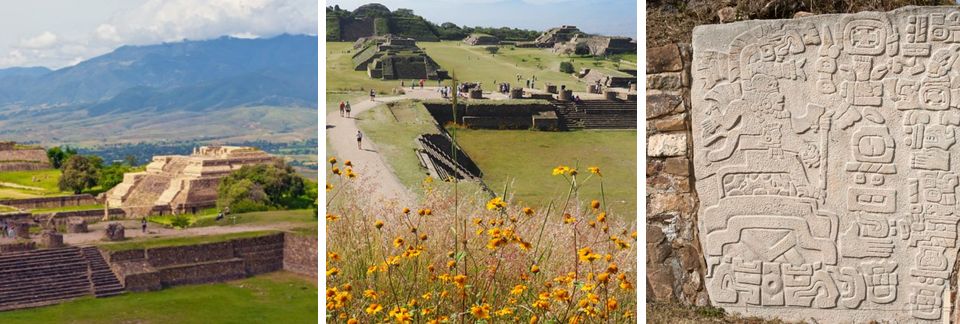
In the Oaxaca clouds lies a pre-Columbian city to rival Chichén Itzá
Despite having a lot in common with Chichén Itzá, the hilltop complex of Monte Albán in Mexico is visited by only 5% of visitors and is 750 years older than its Yucatán neighbor. Built by the Zapotecs in approximately 500 BCE, it is perched high above Oaxaca C. It gradually lapsed into obscurity until Leopoldo Batres started excavations there in 1902 and found a wealth of significant gold and striking One of Mesoa’s greatest pre-Columbian archeological riches is Monte Alban, along with Chichen Itza and the pre-Aztec Teotihuacan ruins outside of Mexico City.
Visitors can reflect on the astronomical observations made from the site centuries ago as they meander about the grounds. The site’s strategic hilltop location places it level with the clouds over Oaxaca’s Central Valleys. Perhaps because of the ideal vantage point over approaching storm clouds provided by the 400m (1312ft) elevation, the primary deity worshipped here was the Zapotec god of rain, Cocijo. On a workday, it might have the atmosphere of a location where time has stopped, removed from the bustling metropolis below.
When to go: October through November. October is when the dry season begins, with perfect weather and clear skies. If you plan your vacation appropriately (before November 1-2), you will have the opportunity to see the Day of the Dead shrines in Oaxaca City.
The Lost Sierra, California, USA
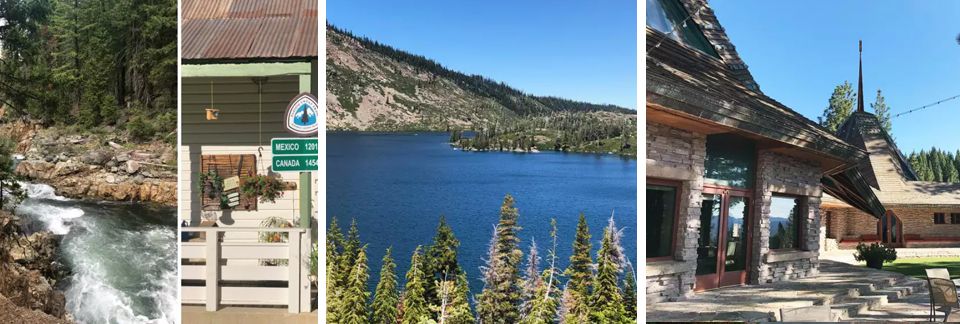
Where old gold-mining communities are reviving trails for adventurers.
With your bike wheels bouncing over rocks and roots and your shoulders skimming the trunks of enormous trees, you can’t take your eyes off the trail ahead as you speed downward. Though you should periodically pause and take in your surroundings, which include red fir or ponderosa pine trees, blue jays hopping from branch to branch, and the sound of a churning river from the melting snow below,. Furthermore, not a single soul will be visible.
This is due to the fact that you are in the Lost Sierra, a four-hour trip northeast of San Francisco that is made up of a triangle of glacial lakes and peaks rising to a height of 2591 meters (8500 feet). Lake Tahoe, which lies close by in California’s northern Sierra Nevada, is the closest equivalent; nonetheless, the Lost Sierra lacks the tourist traffic of that area. Finding the Lost Sierra doesn’t require riding a bike either. The area is lined with routes that were first used 170 years ago by gold miners but have recently been reconstructed by local organizations hoping to resurrect the Lost Sierra for hikers, horseback riders, and off-road motorcycles.
When to go: May to October; lower elevations are open all year round, but higher trails may still be snow-bound in early June. Snow is brought on by ever-briefer winters, which is ideal for snowshoeing and snowmobiles. April through November is when fishing is best. An extended fire season occurs every year.
Utuado, Puerto Rico
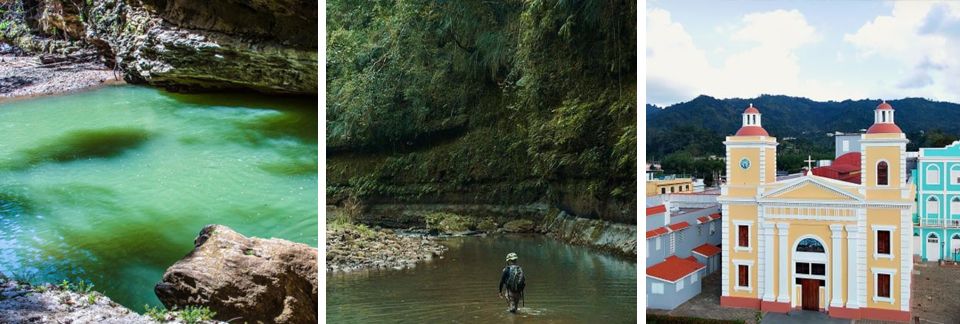
Taíno culture and river adventures in the mountains of Puerto Rico.
Visitors swarm Puerto Rico’s beaches, but the island’s cultural center is nestled amid the Utuado Mountains. Previously inhabited by the TaiŁno, an Indigenous group that occupied a large portion of the Caribbean before European contact, this verdant area offers opportunities for outdoor activities and distinctive rentals.Tourists that base themselves here will find an emphasis on wellness and picturesque tropical views reminiscent of Bali’s Ubud, despite the fact that it is only 1.5 hours from San Juan.
Utuado is one of the least populated areas of Puerto Rico. Peace and quiet reign – instead of the sounds of pumping nightlife, guests are serenaded by the dusk-induced song of coquís, small native tree frogs. Utuado feels secluded and mystical, providing a portal back in time through impeccably preserved petroglyphs at Caguana Indigenous Ceremonial Park, one of the most important archaeological sites in the Caribbean. To get there requires navigating winding, narrow roads but those who make the effort are rewarded with a connection to Puerto Rico’s ancestral pulse.
When to go: Mid-December to mid-March; go during cool, dry weather to avoid hurricane season, which runs from June to November. This will increase the likelihood of sunshine and make hiking and natural exploration possible with less possibility of downpours.
From Lonely Planet, modified
No Limit Travel Agency is here to help with each planning phase. Contact us today.
510.907.0738
 No Limit Travel Agency